
The Pontiac Firebird is an iconic name in the world of American muscle cars, synonymous with speed, performance, and a rebellious spirit. Since its introduction in 1967, the Firebird has seen numerous iterations, each with its own unique flair and horsepower under the hood. But which generation truly stands out as the fastest? In this article, we’ll break down the top speeds of each Firebird generation and rank them accordingly.
From Classic to Modern: The Evolution of the Firebird
The Pontiac Firebird was born during a golden age of performance, designed to compete with the likes of the Ford Mustang and Chevrolet Camaro. Over the decades, it evolved through several generations, each bringing advancements in technology, design, and, of course, speed.
First Generation (1967-1969)
The original Firebird was available with a variety of engines, from a 6-cylinder to a powerful 400 cubic inch V8. The most notable model was the 1969 Firebird Trans Am, which could achieve a top speed of approximately 130 mph. This generation set the foundation for the Firebird’s reputation and introduced features like a sleek design and performance-oriented handling.
Second Generation (1970-1981)
Entering the 1970s, the Firebird adopted a more aggressive stance. The 1977 Firebird Formula and Trans Am models boasted a 400 cubic inch V8, achieving top speeds around 140 mph. This generation was marked by the rise of the muscle car culture and the introduction of the legendary ‘Screaming Chicken’ hood decal.
Third Generation (1982-1992)
The third generation saw major changes, including a lighter chassis and more aerodynamic design. The 1987 Firebird Trans Am GTA, equipped with a 5.7L V8, could reach speeds of approximately 150 mph. This generation embraced a more modern aesthetic while still delivering the raw power that fans craved.
Fourth Generation (1993-2002)
With the 1993 redesign, the Firebird became more refined. It introduced advanced technology like fuel injection for better performance. The 2002 Firebird Trans Am WS6, with its 5.7L LS1 V8 engine, is often cited as one of the fastest Firebirds, reaching top speeds of around 160 mph. This generation is celebrated for its blend of power and drivability.
Fifth Generation (2007-2009)
The Firebird took a hiatus but returned with a bang in the form of the Pontiac Trans Am in 2007. With retro styling cues and a powerful 6.0L V8, it could reach top speeds near 150 mph. Although short-lived, this generation reignited passion among enthusiasts and collectors alike.
Ranking the Generations by Top Speed
- Fourth Generation (1993-2002): 160 mph
- Third Generation (1982-1992): 150 mph
- Second Generation (1970-1981): 140 mph
- First Generation (1967-1969): 130 mph
- Fifth Generation (2007-2009): 150 mph
Why Speed Matters
While top speed is a thrilling metric, it’s not the only factor to consider when evaluating the Firebird’s legacy. Handling, braking, and overall driving experience play significant roles in defining a car’s performance. The Firebird has always been about the complete package, from exhilarating straight-line speed to sharp cornering capabilities.
FAQs
What is the fastest Pontiac Firebird model ever made?
The fastest model is the 2002 Firebird Trans Am WS6, with a top speed of around 160 mph.
How does the Firebird compare to its competitors?
The Firebird has always stood toe-to-toe with rivals like the Ford Mustang and Chevrolet Camaro, often offering a unique blend of style and performance that sets it apart.
Are there any safety concerns with older Firebird models?
Yes, older Firebirds may lack modern safety features like airbags and advanced crumple zones. It’s essential to consider these factors if you’re looking to buy a classic model.
Conclusion
The Pontiac Firebird is more than just a car; it’s a symbol of American muscle and automotive passion. Each generation has contributed to its storied legacy, with varying top speeds reflecting the evolution of performance technology over the years. Whether you’re a fan of the classic lines of the first generation or the sleek look of the fourth, the Firebird continues to hold a special place in the hearts of car enthusiasts everywhere.
🔥 Shop Forged N Fast

Coral Reef Full Window Decal — Coral Reef Car Window Sticker, Die-Cut Oracal 651 Vinyl, UV & Weather Resistant
Price range: $29.99 through $89.99
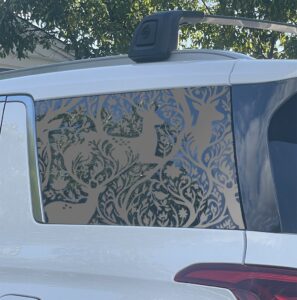
Deer & Foliage Full Car Window Decal — Die-Cut Oracal 651 Vinyl
Price range: $29.99 through $89.99
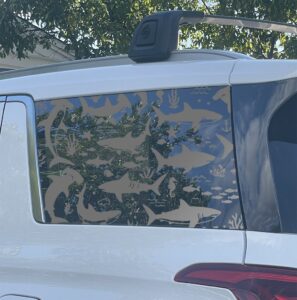
Sharks Underwater Full Car Window Decal — Die-Cut Oracal 651 Vinyl, Weatherproof & UV-Resistant
Price range: $29.99 through $89.99