
When it comes to buying a used car, reliability is often at the top of the checklist for many drivers. Unfortunately, if you’re eyeing a used Nissan, you might want to proceed with caution, particularly when it comes to models equipped with Continuously Variable Transmissions (CVTs). While Nissan has produced some fantastic vehicles over the years, several models have gained a reputation for having problematic CVTs that can lead to costly repairs.
The CVT Controversy
CVTs are designed to provide smoother acceleration and better fuel efficiency compared to traditional automatic transmissions. However, Nissan’s implementation of this technology has been scrutinized, with numerous reports of issues ranging from poor performance to complete transmission failure. Understanding which Nissan models are most affected can save you from a financial headache down the road.
Models to Be Wary Of
Here’s a list of several Nissan models notorious for CVT reliability issues:
- Nissan Altima (2013-2018): The Altima is popular for its stylish design and comfortable ride, but many owners report issues with the CVT, including shuddering and premature failure.
- Nissan Sentra (2013-2019): This compact sedan is known for its affordability and fuel efficiency, but the CVT can lead to significant problems, including jerkiness during acceleration.
- Nissan Rogue (2014-2019): A favorite among SUV fans, the Rogue has also faced CVT woes, with reports of slipping and loss of power.
- Nissan Pathfinder (2013-2018): This mid-size SUV has had its share of transmission complaints, particularly related to the CVT’s longevity and performance under heavy loads.
- Nissan Juke (2011-2017): Although this quirky compact SUV has a dedicated fan base, the CVT issues can be a deal-breaker for many potential buyers.
What to Look For When Buying Used
If you’re considering purchasing a used Nissan, here are some tips to ensure you don’t end up with a problematic CVT:
- Research Vehicle History: Use services like Carfax or AutoCheck to get a comprehensive history of the vehicle, including any reported transmission issues.
- Ask for Maintenance Records: A well-maintained vehicle is less likely to have issues. Ensure regular service checks were performed, especially regarding the transmission.
- Test Drive: Pay attention to how the vehicle accelerates. Any hesitation, jerking, or unusual noises during the test drive could indicate CVT problems.
- Get a Pre-Purchase Inspection: Always have a trusted mechanic inspect the vehicle before making a purchase to catch any potential issues before they become your problem.
Safety Notes
Driving a vehicle with a failing CVT can pose safety risks, particularly if it unexpectedly loses power or fails to accelerate. If you’re already driving a Nissan with a CVT, it is vital to stay alert for any signs of trouble and address them promptly to avoid potential accidents.
FAQs
What is a CVT, and how does it work?
A Continuously Variable Transmission (CVT) is a type of automatic transmission that offers an infinite number of gear ratios, allowing for smoother acceleration without the distinct shifts that traditional automatics have.
Why are Nissan CVTs considered unreliable?
Nissan’s CVTs have been reported to have issues such as slipping, overheating, and premature failure. Many owners have experienced significant problems, particularly in certain model years.
What should I do if my Nissan’s CVT fails?
If you suspect your CVT is failing, it’s crucial to take your vehicle to a qualified mechanic as soon as possible. Depending on the severity of the issue, you may need a repair or a complete transmission replacement.
Are there any Nissan models with reliable transmissions?
Yes, models like the Nissan 370Z and the Nissan Frontier with conventional automatic transmissions have generally received more favorable reviews regarding reliability.
Conclusion
While Nissan has produced many great cars, it’s essential to be aware of the potential pitfalls associated with their CVTs. By knowing which models to avoid and what to look for when purchasing a used Nissan, you can enjoy the brand’s benefits without falling victim to its transmission troubles. Always conduct thorough research, take careful precautions, and don’t hesitate to walk away from a deal that feels off. Happy car hunting!
🔥 Shop Forged N Fast
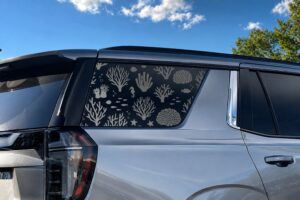
Coral Reef Full Window Decal — Coral Reef Car Window Sticker, Die-Cut Oracal 651 Vinyl, UV & Weather Resistant
Price range: $29.99 through $89.99
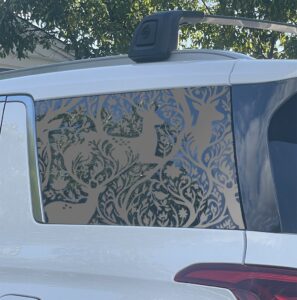
Deer & Foliage Full Car Window Decal — Die-Cut Oracal 651 Vinyl
Price range: $29.99 through $89.99
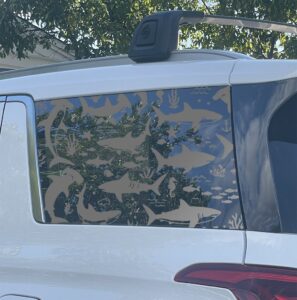
Sharks Underwater Full Car Window Decal — Die-Cut Oracal 651 Vinyl, Weatherproof & UV-Resistant
Price range: $29.99 through $89.99