
Quick links: All Decals • Holographic • Funny
**How to Choose Durable Vinyl Decals for Your Car Bumper**
Selecting the right vinyl decal ensures longevity, easy installation, and a sleek appearance on your car bumper. Focus on Oracal 651 vinyl, compatibility with your vehicle’s surface, proper sizing, and proper application/removal techniques.
## Understanding Vinyl Types and Compatibility
### Why Oracal 651?
– **Durability:** Excellent outdoor weather resistance, up to 6 years.
– **Adhesion:** Strong sticking power on painted surfaces and bumpers.
– **Removability:** Easy to peel off without residue if needed.
### Check Your Surface
– **Painted Bumpers:** Oracal 651 works well.
– **Clear-coated or glossy finishes:** Compatible, but test a small area first.
– **Avoid:** Rough, textured, or damaged surfaces that may hinder adhesion.
## Choosing the Right Size and Design
### Size Tips
– Measure your bumper’s surface to avoid overcrowding or undersizing.
– Aim for a decal that complements the bumper’s width—typically 4-12 inches wide.
### Design Tips
– Keep designs simple for durability and visibility.
– Use high-contrast colors to withstand weather conditions.
## Installation Best Practices
### Preparation
– Clean the surface thoroughly with isopropyl alcohol.
– Dry completely to ensure no dirt or oils interfere.
### Application
– Use a squeegee or credit card to smooth out air bubbles.
– Apply slowly, starting from one edge to the other.
### Pro Tips
– Warm the decal slightly for better flexibility and adhesion.
– Use masking tape to position before final application.
## Removal and Maintenance
### Removing Decals
– Heat the decal with a heat gun or hairdryer to soften adhesive.
– Peel slowly, using isopropyl alcohol for residue removal.
### Maintenance
– Wash with mild soap and water.
– Avoid harsh chemicals that can degrade vinyl.
## Recommended Decals
– Bold lettering or logos in high-contrast colors.
– Custom designs with simple, clean lines.
– Durable, weatherproof patterns designed for outdoor use.
## Conclusion
Choosing the right vinyl decal for your bumper involves selecting high-quality Oracal 651, ensuring compatibility with your surface, and applying it properly. Proper sizing and installation techniques will maximize durability and appearance.
**Ready to upgrade your ride? Shop our selection of premium vinyl decals today!**
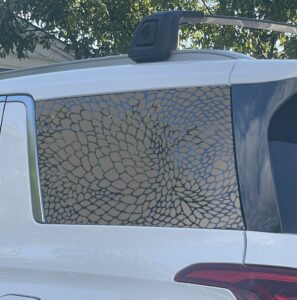
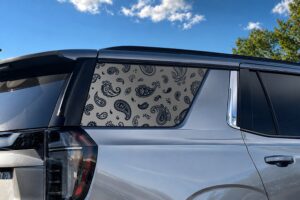
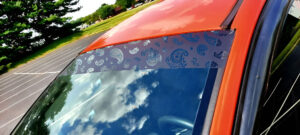
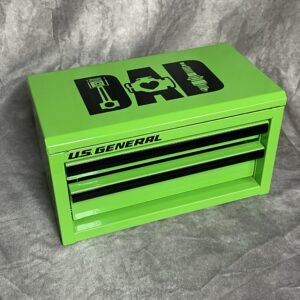
Shop this look
FAQs
**Q1:** What type of vinyl is best for durable car bumper decals?
**A1:** Oracal 651 is ideal for outdoor durability, UV resistance, and long-lasting adhesion on bumpers. It’s designed for vehicle graphics and withstands weather, washing, and sun exposure.
**Q2:** Can I apply vinyl decals over tinted windows or painted bumpers?
**A2:** Yes, but ensure the surface is clean, dry, and free of wax or oils. For tinted windows, use a non-adhesive transfer tape to avoid damaging the tint during installation.
**Q3:** How do I remove vinyl decals without damaging the surface?
**A3:** Use heat (like a heat gun or hairdryer) to soften the adhesive, then gently peel from the edges. For stubborn residue, apply a mild adhesive remover, avoiding harsh chemicals that can damage paint or tint.
{“@context”:”https://schema.org”,”@type”:”FAQPage”,”mainEntity”:[{“@type”:”Question”,”name”:”**Q1:** What type of vinyl is best for durable car bumper decals?”,”acceptedAnswer”:{“@type”:”Answer”,”text”:”**A1:** Oracal 651 is ideal for outdoor durability, UV resistance, and long-lasting adhesion on bumpers. Itu2019s designed for vehicle graphics and withstands weather, washing, and sun exposure.”}},{“@type”:”Question”,”name”:”**Q2:** Can I apply vinyl decals over tinted windows or painted bumpers?”,”acceptedAnswer”:{“@type”:”Answer”,”text”:”**A2:** Yes, but ensure the surface is clean, dry, and free of wax or oils. For tinted windows, use a non-adhesive transfer tape to avoid damaging the tint during installation.”}},{“@type”:”Question”,”name”:”**Q3:** How do I remove vinyl decals without damaging the surface?”,”acceptedAnswer”:{“@type”:”Answer”,”text”:”**A3:** Use heat (like a heat gun or hairdryer) to soften the adhesive, then gently peel from the edges. For stubborn residue, apply a mild adhesive remover, avoiding harsh chemicals that can damage paint or tint.”}}]}